The place
Alte village: springs, tiles and a poet in the Algarve hills
What to look at in the whitewashed village where the studio stands, before or after the concert.
Reserve a chair ↗Quick answer
Alte is a small inland village in the municipality of Loulé, known for whitewashed houses, traditional chimneys, cobbled alleys, two springs, a Manueline-style church and a poet’s tiled monument. The concert studio is on Avenida 25 de Abril in the middle of the village, which leaves room for a wander either side of the music. A day like that is calmer than one spent on the sand.
Alte at a glance
| Topic | What the source says |
|---|---|
| Status | A village and civil parish in the municipality of Loulé |
| Population | 1,997 residents in 2011 |
| Reputation | One of the most typical and unspoilt villages of the Algarve |
| Church | Founded in the 13th century, rebuilt in the Manueline style in the early 1500s |
| Springs | Fonte Pequena, with tile panels, and Fonte Grande, a bathing and leisure area |
| Poet | Cândido Guerreiro, born in Alte in 1871 |
What kind of place it is
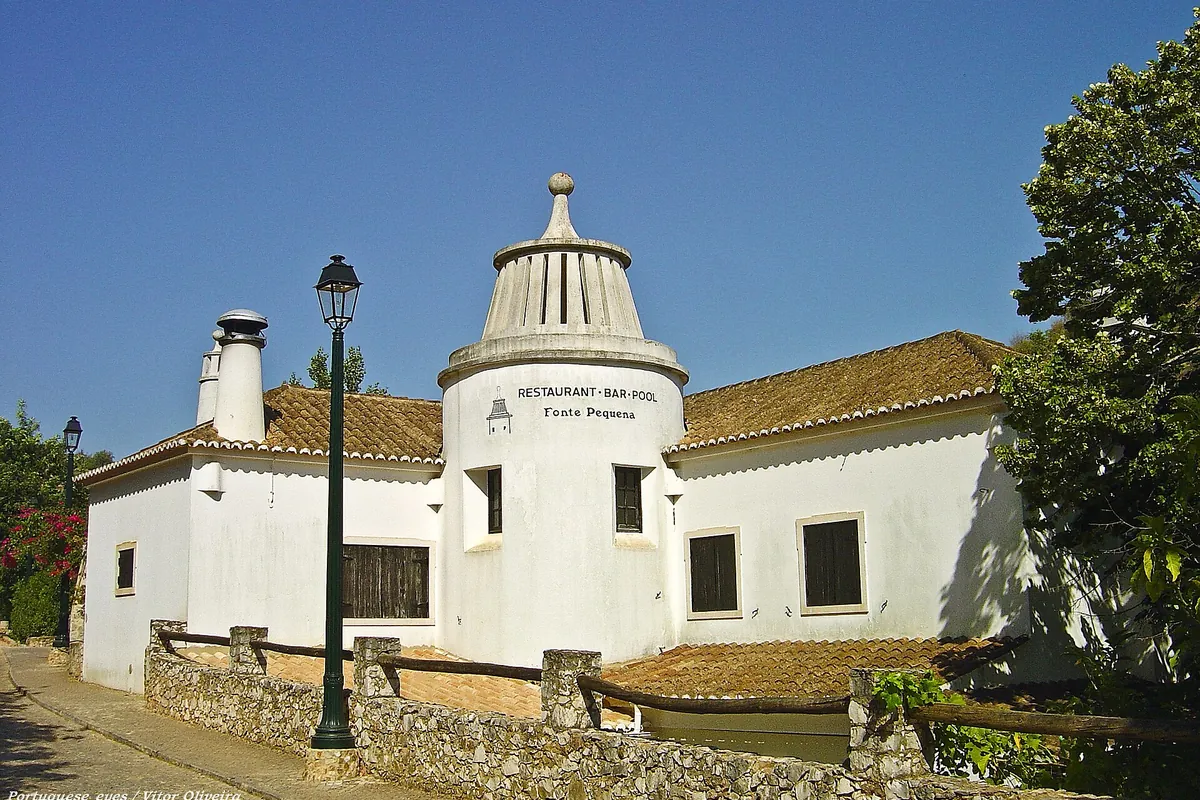
In Wikipedia’s account Alte is a village and civil parish within the municipality of Loulé, in the Algarve, home to 1,997 residents at the 2011 count. It sits inland, and the article ranks it among the region’s most typical and least spoilt villages. The details are the whitewashed houses, traditional chimneys and cobbled alleys. For a visitor used to the coast, it is a different Algarve: slower, quieter and built on a human scale.
The church in the centre
In the centre stands the parish’s mother church, which is named for Our Lady of the Assumption. Wikipedia reports a 13th-century origin for the church, followed by a Manueline rebuilding in the early 1500s. Inside are 18th-century tiles, Baroque and Rococo altarpieces and a collection of statues, and a small museum holds two Mannerist paintings and 17th-century statues. Opening hours are not covered by the source, so check locally rather than assuming.
Fonte Pequena, the small fountain
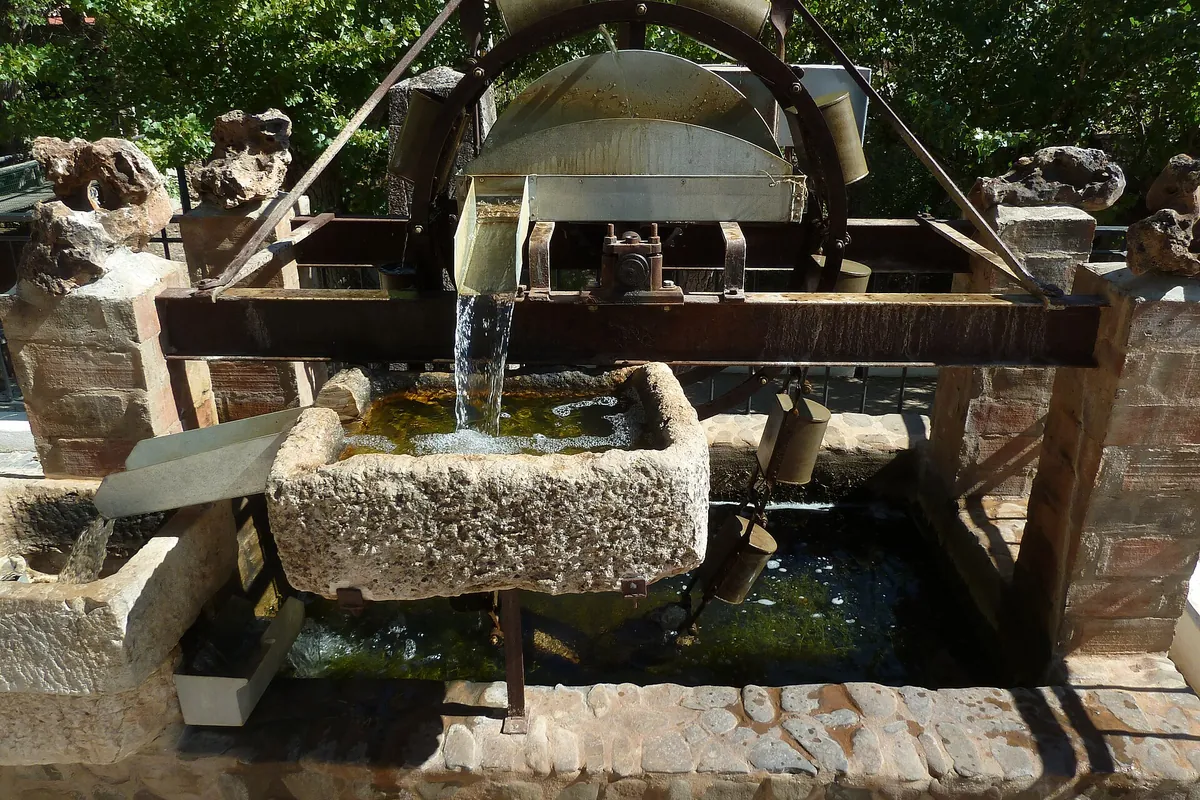
Fonte Pequena, the “small fountain,” has a waterway and azulejo panels showing the portrait of Cândido Guerreiro and some of his poems. It is the spot that visitors photograph. The tiles turn a spring into a small open-air gallery of verse, which sits neatly beside an afternoon of sung poetry.
Fonte Grande, the big fountain
Wikipedia describes Fonte Grande, the “big fountain,” as a swimming and leisure area. The source does not give opening times or facilities, so treat it as a place to ask about once you are in the village rather than a planned stop.
The poet behind the tiles
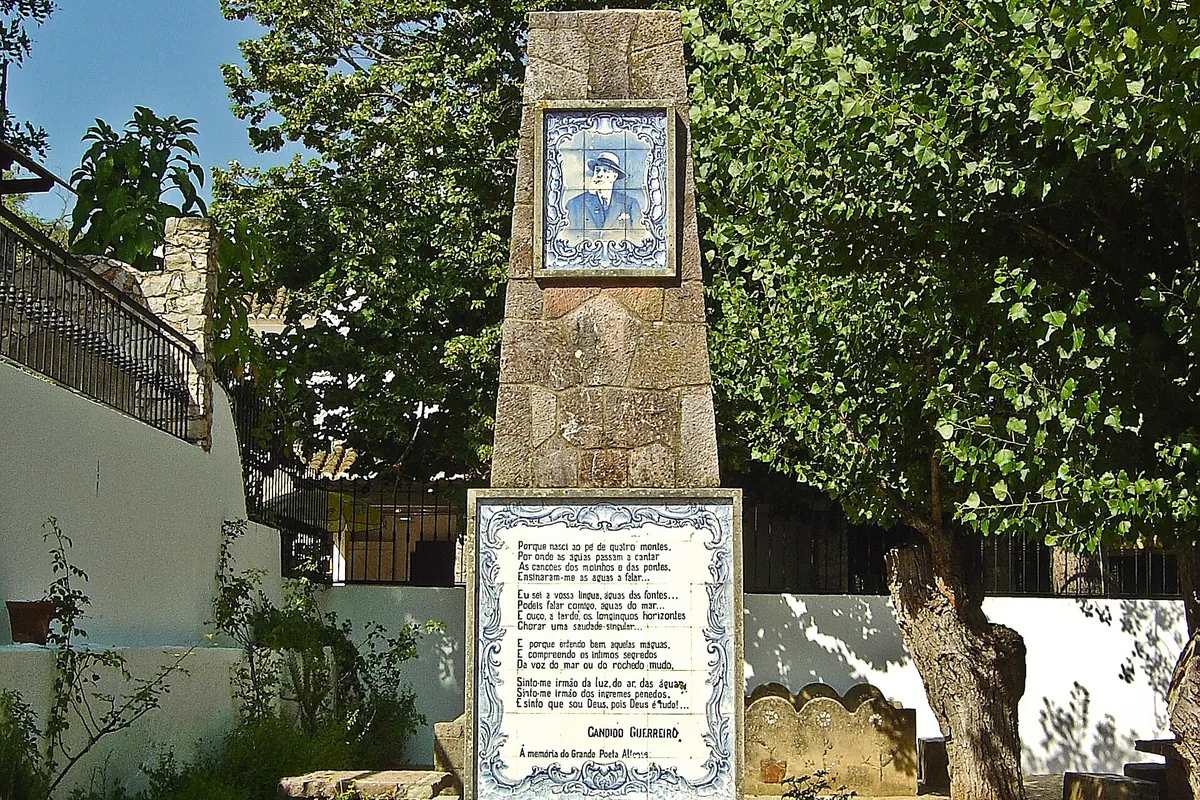
Cândido Guerreiro was born in Alte in 1871. Wikipedia calls him a post-symbolist poet, playwright and lawyer associated with the Portuguese Renaissance. He worked as a notary in Loulé and Faro, presided over both municipalities between 1923 and 1941, and died in Lisbon in 1953. His portrait and verses on the tiles at Fonte Pequena make a worthwhile stop, and a tiled monument to him stands there.
What the village is not
Alte is not a resort and it is not a museum. It is a working village of fewer than two thousand residents at the last count in the source, so shops, cafés and opening hours follow local rhythms rather than visitor ones. That is much of its charm, and it is also why your expectations should stay modest. Come for the quiet, the whitewash and the water, and treat anything else as a bonus.
Fitting the village around the concert
The concert is short and the door closes once it begins, so get there early and spend any spare minutes wandering, or stay on afterwards. Parking takes time in a small centre, so build in slack. A sensible plan is to park, walk to the studio at Avenida 25 de Abril 3 in good time, and keep the fountains for after the music, when you have nowhere to be.
Frequently asked questions
Is Alte on the coast?
No. Wikipedia describes it as an inland village in the municipality of Loulé.
What are the two springs called?
Fonte Pequena, the small fountain, and Fonte Grande, the big fountain.
Who was Cândido Guerreiro?
A poet, playwright and lawyer born in Alte in 1871 and honoured with tiles and a monument at Fonte Pequena.
Sources