Start here
Is the Fado Violetta concert in Alte worth it?
A direct verdict on a 50-minute concert for twelve in a singer’s own studio: what you get, who will love it, and who is better off spending the afternoon elsewhere.
Reserve a chair ↗Quick answer
Yes, if you want live fado at arm’s length and you are comfortable with strict ground rules. The concert is by the singer Renata Violetta in her small studio in the centre of Alte, it lasts 50 minutes, it seats twelve, and it scores 4.8 from 86 reviews on GetYourGuide. It is a short, quiet, indoor hour, not a night out, and the studio has no toilet and sells no food or drink. People who want a gentle, close encounter with Portuguese song will find it very well matched; people who want a big or social evening will not.
The concert in brief
| Topic | Detail |
|---|---|
| What it is | An afternoon fado concert by Renata Violetta, preceded by a brief talk on how the music developed |
| Where | Her small studio at Avenida 25 de Abril 3, in the centre of Alte |
| Seats | Room for just 12 people |
| Length | 50 minutes |
| Songs | Melancholic to modern, including pieces from the repertoire of Amália Rodrigues |
| Included | A tiny glass of moscatel liqueur |
| Host | Speaks English and Portuguese |
| Cancelling | Free until a day before |
| Score | 4.8 from 86 reviews on GetYourGuide |
What the answer rests on

Three things hold the verdict up. The listing gives specific, checkable details: a named singer, a street address in Alte, a length of 50 minutes and a capacity of twelve. The reviewers are consistently positive, with a 4.8 average across 86 ratings. And the format answers a real question that visitors to the Algarve ask: where can I hear fado, the sung poetry of Portugal, without crossing the country to a Lisbon tavern? Here, the answer is in a hill village in the Algarve, in a room built for a handful of listeners. What the verdict cannot rest on is the singer’s voice on your particular afternoon, which no page can promise. Treat the score as strong evidence, not a guarantee.
What actually happens in the room
On the listing’s account, the afternoon begins with a brief talk on how fado developed. Then comes the music: songs that run from melancholic to modern, and pieces from the repertoire of Amália Rodrigues, the singer often called the “Queen of Fado”. A tiny glass of moscatel liqueur comes with the ticket. Because the host switches between English and Portuguese, nobody is left out of the introduction. What the listing does not do is list the songs. Fado concerts choose their numbers on the day, and a singer reads her room, so booking for one named song would be a gamble. Book for the form: a human voice, a room so small that no sound-system smears the music, and 50 minutes during which nobody is trying to sell you anything.
Why twelve chairs changes the experience
Most visitors meet fado in a restaurant or a purpose-built fado house, where it competes with plates and conversation. UNESCO’s record of the tradition lists professional singers on big stages, performers in tiny fado houses and amateurs in neighbourhood clubs. A studio holding twelve people sits at the intimate end of that range. The practical effect is that you can see a singer’s breathing, hear the guitar’s attack and feel the silence between lines. If you have ever found a large venue strips the closeness from a delicate art form, you will understand why the capacity matters more here than the production values.
Who will enjoy it, and who will not
It suits listeners, not partygoers. Couples, solo travellers, music lovers and anyone with a curiosity about Portuguese culture will find the format generous. It suits people who like to be told a little history before the songs begin, and who are happy to hear lyrics they may not fully follow while the tone carries the meaning. It does not suit very young children: the listing rules out under-10s. Nor does it work for anyone who needs a toilet close by, since the studio has none, and the listing mentions public toilets about 50 metres away. And it does not suit anyone expecting dinner, drinks service or a late-night atmosphere. No food or drink is sold at the studio.
The rules that come with a small room
A twelve-seat room runs on a short list of firm rules, and the listing states them. You are expected at the door 10 to 15 minutes ahead, because latecomers are turned away. You should allow time to find parking in the village. And the host suggests booking one to three days ahead, because there are so few chairs. These are not complaints so much as the logic of a small room. With so few seats and one singer, a latecomer would interrupt everyone, and a full house is easy to reach. The sensible approach is to treat the booking like a restaurant table: choose the day first, then arrange lunch, parking and the rest of the Algarve around it.
Reading the 4.8 sensibly
A score of 4.8 out of 5 from 86 reviews is high. It is also modest beside the thousands of ratings that big Algarve attractions collect. That does not make it weak. It makes it a score that a few unhappy afternoons could still move, and it reflects the type of traveller who chooses an intimate concert in a village, usually people who already wanted exactly this. If you share that taste, the number is a good guide. If you are lukewarm about classical or traditional music, give it a little less weight, because a rating from enthusiasts is not a rating from everyone.
Where it fits in an Algarve trip
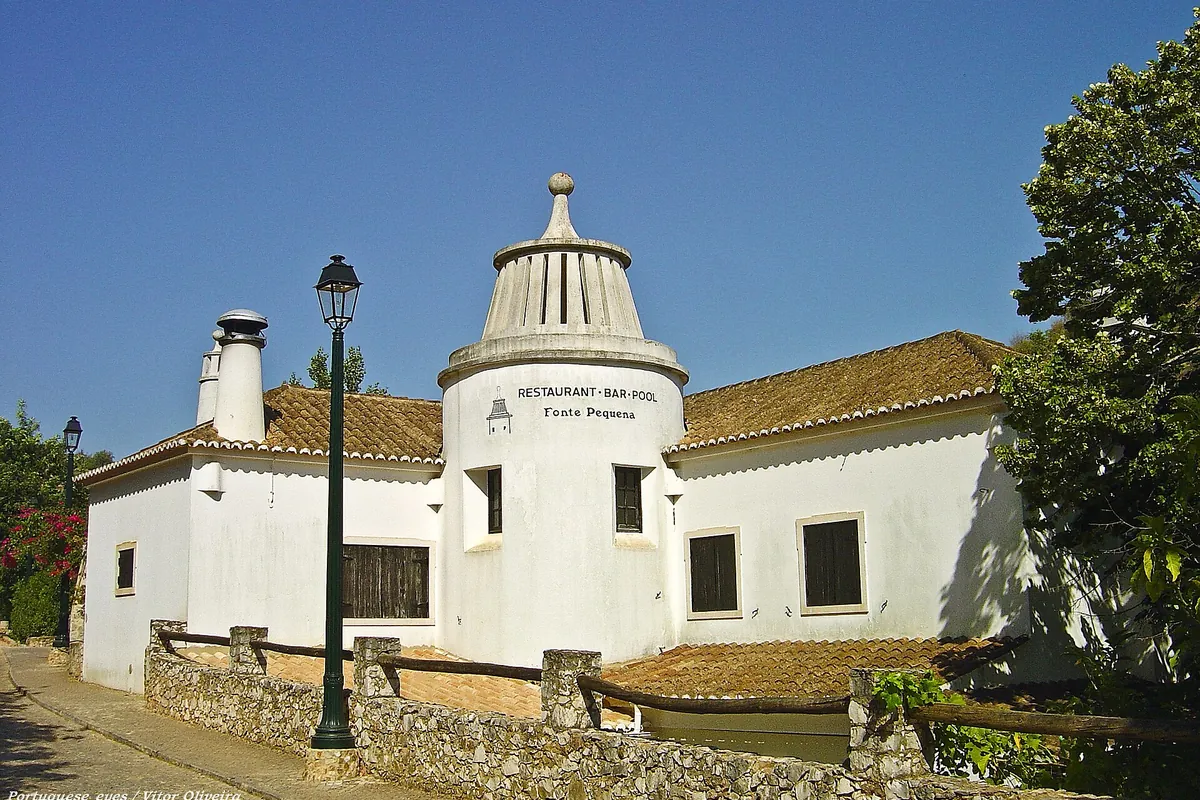
Alte is an inland village in the municipality of Loulé. Wikipedia sums it up as one of the region’s most typical, unspoilt villages, a place of whitewash, old chimneys and cobbled lanes, and its two springs, Fonte Pequena and Fonte Grande, are well known locally. A concert here fits a day spent away from the sand: a slow afternoon with the music as the main event and a stroll round the village as the support. The concert itself is short, so you will have time before or after to look around, a good excuse to turn up early and park sensibly.
The verdict and how to book
Worth it for the right person. If a calm hour of live fado in a close little room sounds like the high point of your week, book it, and book early. Settle on a date, put the start time from your confirmation in your diary, and stick to the early-arrival rule. If that sounds restrictive or the idea of 50 minutes of sung poetry sounds like a long time, a more active Algarve day will suit you better, and another guide here lines the concert up against a kayak trip. Either way, the choice is cheap to reverse, because the concert date can be handed back without charge until a day beforehand, leaving you free to hold it while you arrange everything else. Whatever you pick, read the live booking page on the day you book, since only it shows the current calendar and any change the host has made.
Frequently asked questions
Is it good for first-timers to fado?
Yes. A short introduction to the history of fado comes before the songs, and the host also speaks English.
Will I understand the lyrics?
Probably not word for word, since fado is a Portuguese song form. The mood comes through the voice, and the introduction gives you context.
Is the concert indoors?
It takes place in the singer’s small studio in the centre of Alte, so weather does not change it.
How should I decide between this and something outdoors?
Ask whether you would rather sit and listen, or keep moving. Another guide here weighs this concert against a guided kayak tour near Benagil.
Sources
- The concert’s own page on GetYourGuide — checked for this guide
- UNESCO’s record of the fado tradition — checked for this guide
- Wikipedia’s long article on the fado genre — checked for this guide
- Wikipedia’s biography of the singer Amália Rodrigues — checked for this guide
- Wikipedia’s page on the village of Alte — checked for this guide