Background
What fado means: fate, saudade and the songs you will hear
The name, the mood and the history of Portuguese fado in a few clear paragraphs, so the introduction at the studio lands on ground you already know.
Reserve a chair ↗Quick answer
Fado fuses music with poetry, and its name most probably descends from the Latin word for fate. Fado took shape in Lisbon in the early 1800s and is entwined with the feeling Portuguese speakers call saudade, and in 2011 UNESCO listed it among the world’s living traditions. A concert in Alte lets you hear that tradition in a room so small you catch each breath.
Fado in six facts
| Topic | What the sources say |
|---|---|
| Meaning of the word | Most likely Latin, from the word for fate |
| Home | Lisbon, with Coimbra developing its own style |
| Earliest traces | Dated by one historian to the 1820s |
| Mood | Linked to saudade, a melancholic longing |
| Accompaniment | The guitarra portuguesa plus a steel-string acoustic guitar |
| Heritage status | Recognised by UNESCO in 2011 |
A word with two meanings
Wikipedia puts the origin of the name in Latin, in the word for fate. That matters, because lyrics often exploit the overlap: one word labels a style of music and also the destiny nobody can dodge. When a singer in a small room laments a fate she cannot escape, the pun is not decoration. It belongs to what the form is about.
Saudade, the feeling underneath
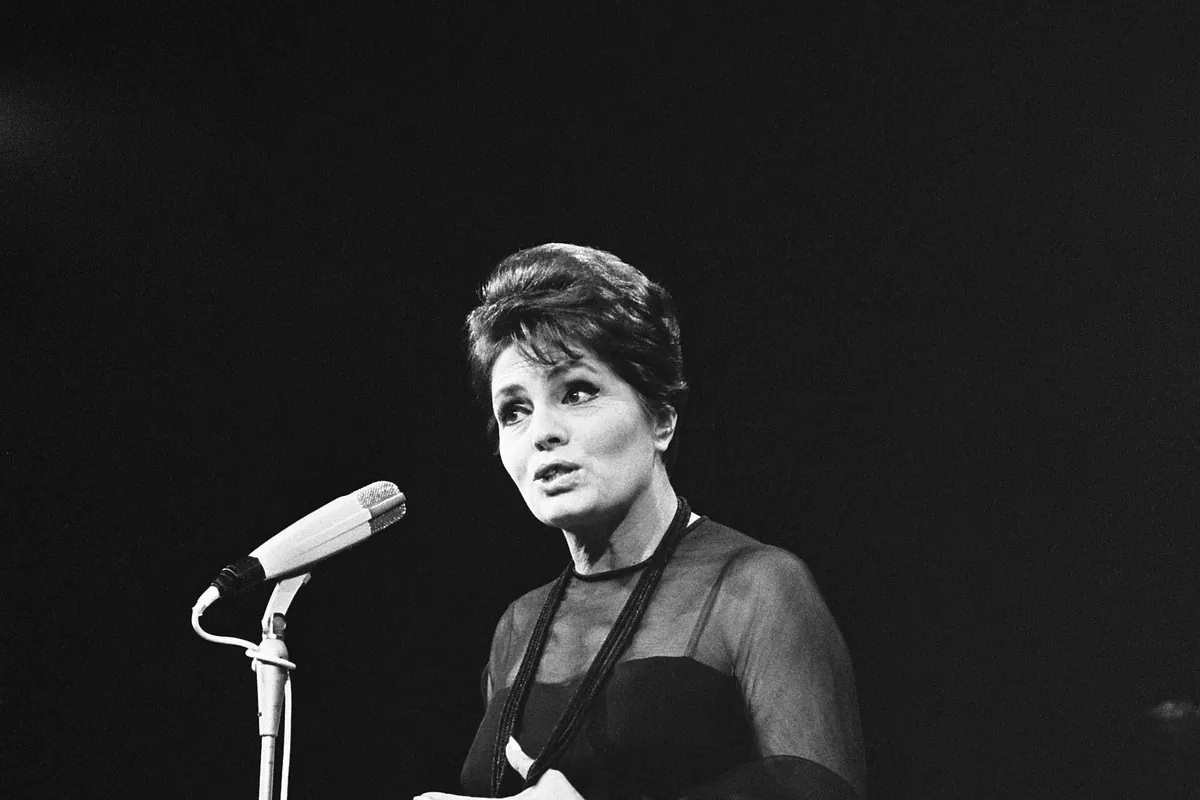
The best-known word associated with fado is saudade. Wikipedia defines it as a wistful, deeply nostalgic yearning for a person or thing that is loved but gone, often with a suspicion that it will not come back. It links the word to the Latin for solitude, and finds it in 13th-century Portuguese texts such as the Cancioneiro da Ajuda. The same article calls saudade and fado intertwined ideas in Portuguese culture, and says saudade has no direct English translation. You do not need to define it to feel it; it often arrives in the pause where a line ends.
Where fado came from
The origins are argued over. Wikipedia sets fado’s start in Lisbon within the first decades of the 19th century. The historian Rui Vieira Nery favours the 1820s and he notes that spoken accounts reach no further back than the 1820s or 1830s. The genre is thought to have started in the Lisbon districts of Bairro Alto, Mouraria and Alfama. Other theories point to a mid-18th-century Brazilian musician, to medieval songs, to Moorish influence or to African sea chants. The article does not find any of those fully convincing, and suggests fado grew out of older genres. In other words, nobody can point to a single birthplace, and a good host will tell you so.
Two cities, two styles
Lisbon fado is the one most visitors know, accompanied by the Portuguese guitar and a second guitar. Coimbra fado is tied to the university, has a tuning and sound of its own, and has traditionally been sung by men in student gowns, often as serenades after dark. Wikipedia adds that Coimbra singers of the 1950s turned to ballads and verse as a quiet protest against the Salazar regime. The concert in Alte does not claim to be either, and which style Renata Violetta sings is left open, so the talk at the start is your best guide.
How a performance tends to feel
A fado song is usually a solo voice with sparse accompaniment. Wikipedia points to rubato, the give-and-take of tempo in which the accompaniment stops at a phrase’s close while the singer sustains a note, and it notes that the harmony can be major or minor, in duple time or in waltz time. The consequence in a small room is that silence becomes part of the music. The audience is expected to listen, and the stillness is what makes the held notes carry.
From taverns to a world list
UNESCO treats fado as a performing art that fuses music with poetry and is practised mainly in Lisbon’s communities. It lists the ingredients as sung dances from Africa and Brazil, local songs and dances, rural tunes brought in by people moving to Lisbon, and the town songs of the early 19th century. In 2011 it recognised the tradition on its register of living heritage. The record names three kinds of performer: professionals on stage, singers in tiny fado houses and amateurs in neighbourhood associations. That spread from tavern to concert hall is why a studio of twelve counts as a genuine setting rather than a gimmick.
Why Amália Rodrigues keeps turning up
The listing says the concert includes pieces from the repertoire of Amália Rodrigues. That is an obvious choice. She was born in Lisbon in 1920, earned the title Queen of Fado, and is credited by Wikipedia with doing more than anyone to popularise the genre abroad. Her professional start in a fado venue dates to 1939, and her recordings carried the music far beyond Portugal. If a singer includes her songs, she is placing herself in a lineage, and you will often recognise the pull of the melodies even if the titles are new to you.
Frequently asked questions
Is fado always sad?
Its common themes include saudade, nostalgia and jealousy, but the listing says this concert spans melancholic to modern pieces, so expect some range.
What does saudade mean?
The ache of missing a person or thing once loved. English has no exact equivalent.
When did fado begin?
One historian puts it in 1820s Lisbon, though its roots remain debated.
Sources
- Wikipedia’s long article on the fado genre — checked for this guide
- Wikipedia’s explanation of the word saudade — checked for this guide
- UNESCO’s record of the fado tradition — checked for this guide
- Wikipedia’s biography of the singer Amália Rodrigues — checked for this guide
- The Lisbon fado museum’s English-language site — checked for this guide
- The concert’s own page on GetYourGuide — checked for this guide