
The short version
Is the Fado Violetta concert in Alte worth it?
Yes, provided you want fado at close range instead of from the far end of a restaurant, and can stay quietly seated for 50 minutes in a room that holds twelve. It scores 4.8 from 86 reviews on GetYourGuide, which is high, though 86 is a modest number. The price of that intimacy is a rigid set of ground rules: you arrive early, nobody is let in late, and the studio has no toilet and sells no food or drink. Anyone chasing a lively evening should skip it; anyone wanting a still, close hour of song should not.
Five points that decide it
Who it suits
People who like live music more than spectacle. The room is a singer’s own studio, the introduction to the history of fado comes before the songs, and the set moves between melancholic and modern pieces, with some from the repertoire of Amália Rodrigues. It also suits anyone staying near the coast who wants one afternoon that has nothing to do with beaches.
Who should look elsewhere
Families with children under 10, whom the listing rules out. Anyone who needs a toilet close at hand, as the studio lacks one. And anyone picturing a long dinner-and-drinks night, which this is not: it is a short afternoon concert with a tiny glass of moscatel.
How to read the rating
A 4.8 from 86 reviews is a strong signal about the afternoon, not a statistical certainty about every one. Small rooms live or fall on the singer and the mood on the day, so read it as “reviewers were moved,” not as a guarantee.
What the format costs you
Freedom. With twelve chairs the host recommends booking one to three days ahead, you are expected 10 to 15 minutes early since latecomers cannot be admitted, and the village will want some parking time. None of these is hard, but they all reward planning.
When to book
The moment your dates are fixed. The calendar updates live, and a chair free today may be taken tomorrow. Holding a date carries little risk, as you may hand it back free of charge until the day before.
Seven threads behind the songs
Seven threads behind the songs
A concert in a village studio sits on top of a long, tangled tradition. These are the threads worth knowing, each taken from a reference source rather than from the listing.
-
The word
A name that means destiny
Wikipedia traces the name to the Latin fatum, which means fate. One word covers both the genre and the destiny a singer laments, and plenty of lyrics lean on that pun.
-
The mood
Saudade, the feeling the genre carries
Saudade names the ache of missing someone or something cherished that is no longer within reach. Wikipedia links the word to the Latin for solitude and finds it in Portuguese verse from the 1200s, and it calls saudade and fado intertwined ideas in Portuguese culture.
-
The sound
The guitarra portuguesa
UNESCO’s entry describes a pear-bodied cittern with twelve wires, an instrument found nowhere else. The strings come in pairs, and in Lisbon’s tradition the instrument trades short phrases with the singer.
-
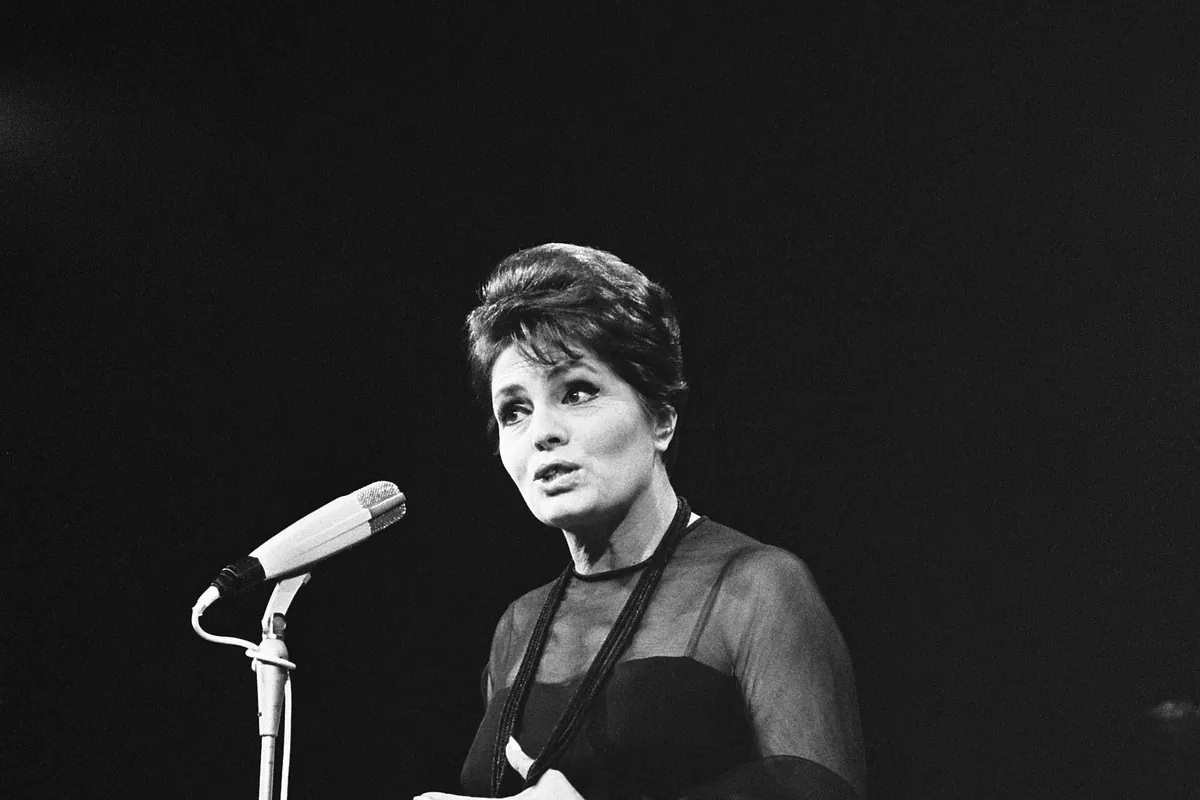
Amália Rodrigues on stage, in a press photograph held by the Dutch national archive. The queen
Amália Rodrigues
Amália Rodrigues was born in Lisbon on 23 July 1920 and became known as the “Queen of Fado”, the singer who did most to carry the form abroad. A studio set that includes pieces from her repertoire is placing itself in that line.
-
The room
Why a tiny room suits fado
UNESCO places fado both on professional stages and inside tiny fado houses, with amateurs keeping it alive in neighbourhood clubs. A studio with twelve chairs lives at the intimate end of that spread.
-
The recognition
A place on a world list
UNESCO added fado to its roll of humanity’s living traditions in 2011, under the name “Fado, urban popular song of Portugal,” and describes it as music and poetry fused into one performance.
-
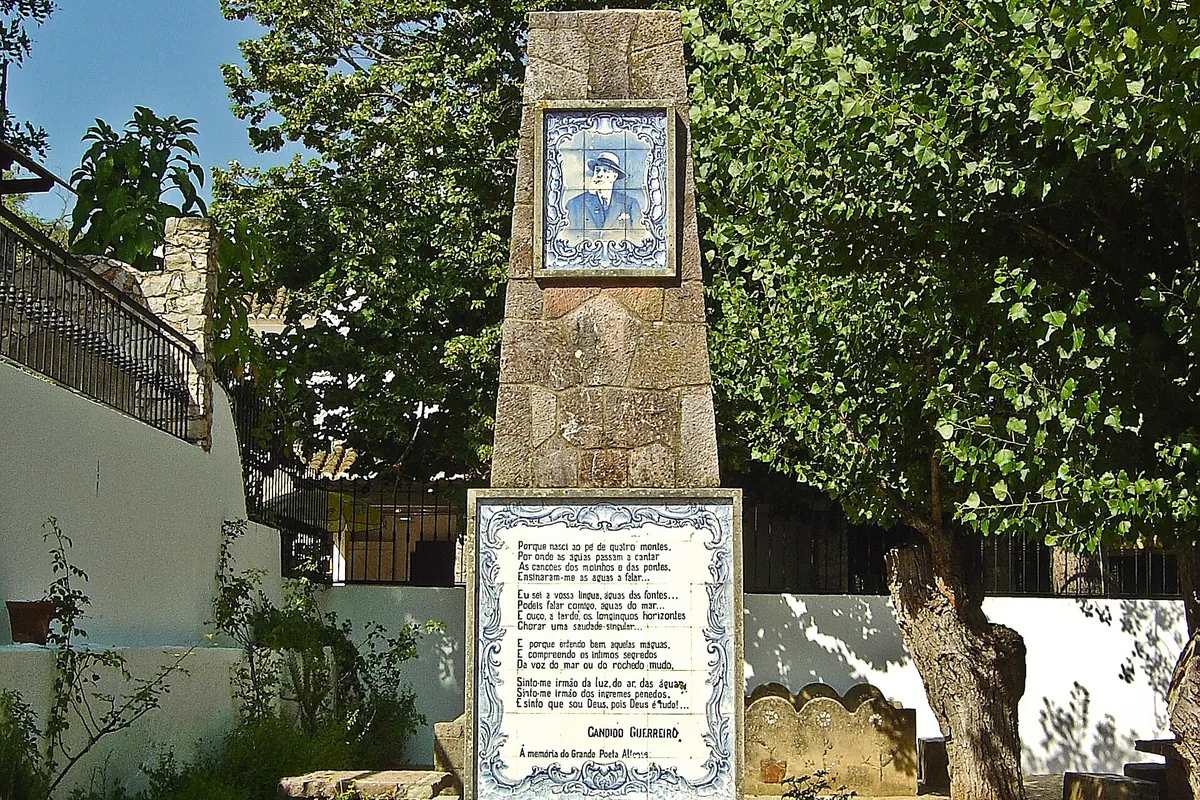
The tiled monument to the poet Cândido Guerreiro at Fonte Pequena, with his portrait and some of his verses. The village
Whitewash, tiles and a poet
Alte is a village in the municipality of Loulé, and Wikipedia ranks it among the most typical and unspoilt villages of the Algarve, with whitewashed houses, traditional chimneys and cobbled alleys. The poet Cândido Guerreiro was born there in 1871, and the tiles at Fonte Pequena carry his portrait and some of his verses.
This is reference-book context, not a programme. It cannot tell you which songs Renata Violetta will pick on a given afternoon.
Four dates behind the studio
Four dates behind the studio
What the ticket says
What the ticket says
Eight points taken from the listing on 18 November 2026. Details can change, so the live booking page has the last word.
Open the booking page ↗Choose your currency on the booking page, where the finished total is displayed before payment.
- The concert
- A fado concert given by the singer Renata Violetta.
- The room
- Her small studio at Avenida 25 de Abril 3, in the centre of Alte, with room for just 12 people.
- The songs
- Melancholic and modern pieces, including songs from the repertoire of Amália Rodrigues.
- Before the music
- A brief talk on how fado developed.
- The drink
- A tiny glass of moscatel liqueur.
- The host
- Speaks English and Portuguese.
- Cancelling
- Free up to 24 hours before the concert.
- What is not here
- Nothing to eat or drink is sold, the studio has no toilet, and the journey to Alte is yours to arrange. CDs and prints are for sale.
Studio or sea
A fado afternoon or a Benagil kayak trip: which Algarve day?

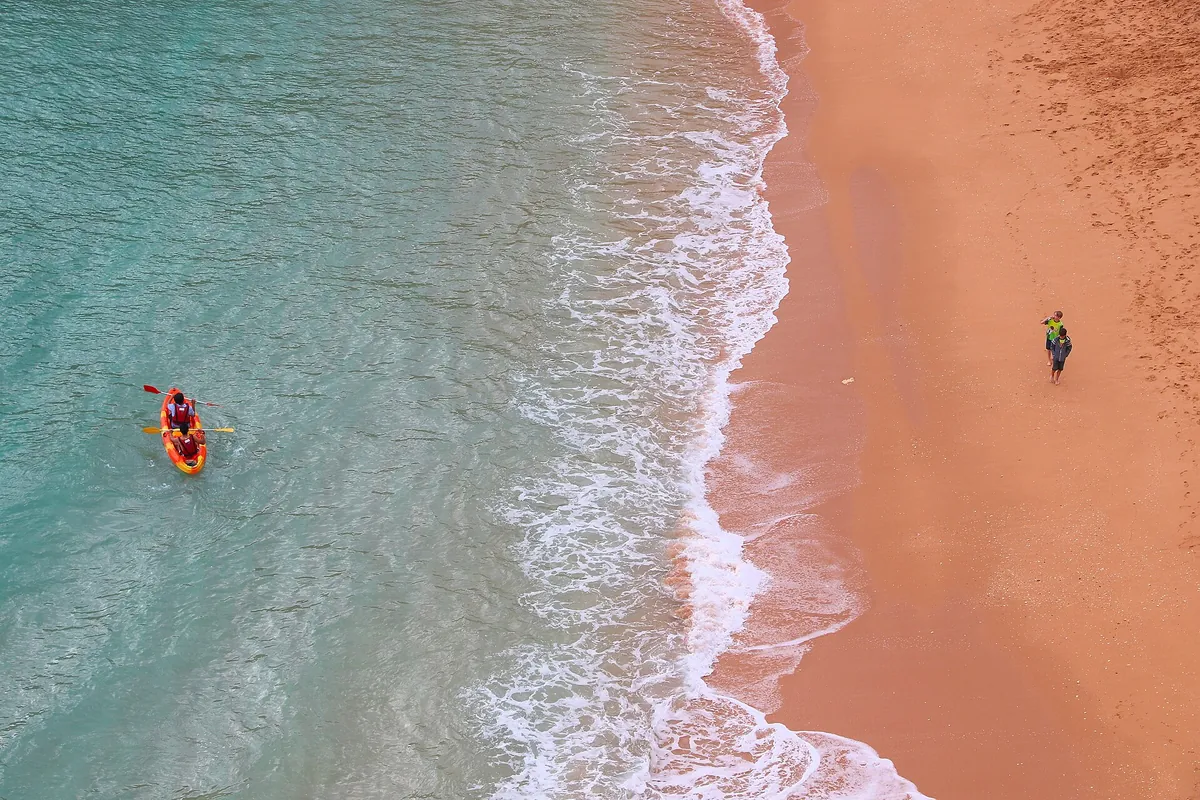
Book the concert, or choose another Algarve day
Other Algarve days to weigh
The concert fills one quiet afternoon. The coast, a marine park and a winery fill other days, and each of them has its own calendar.
- See this one ↗
Fado concert in a twelve-seat studio
An afternoon of fado sung by Renata Violetta in the centre of Alte, introduced by a talk on the music and served with a tiny glass of moscatel.
- See this one ↗
Guided kayak tour of caves and beaches
Paddling on the sea near Benagil, for anyone who prefers the water to a chair. Length and meeting point are given on the booking page.
- See this one ↗
Zoomarine entry ticket
A day ticket to the marine-animal park in the Algarve, aimed at families. The booking page lists show times and the ticket’s scope.
- See this one ↗
Winery tour with tasting and tapas
A visit to a winery with a wine tasting and tapas, according to its title. It suits an afternoon if the fado date does not work.
More to book around the Algarve
Before the afternoon
Four jobs before the afternoon
Book the day
There are twelve chairs and the host suggests booking one to three days ahead. Choose the date, then plan the rest of your Algarve days around it.
Allow early arrival
Reach the door 10 to 15 minutes before the start; the listing is clear that the door stays shut once the music has begun.
Leave time to park
Parking in a small village centre takes longer than you expect. Build in slack so the early arrival still happens.
Sort the basics
The studio has no toilet; the listing puts public ones about 50 metres off. Nothing is sold to eat or drink, so deal with that earlier.
A guitar, a spring, a poet and a beach, in photographs
A guitar, a spring, a poet and a beach, in photographs
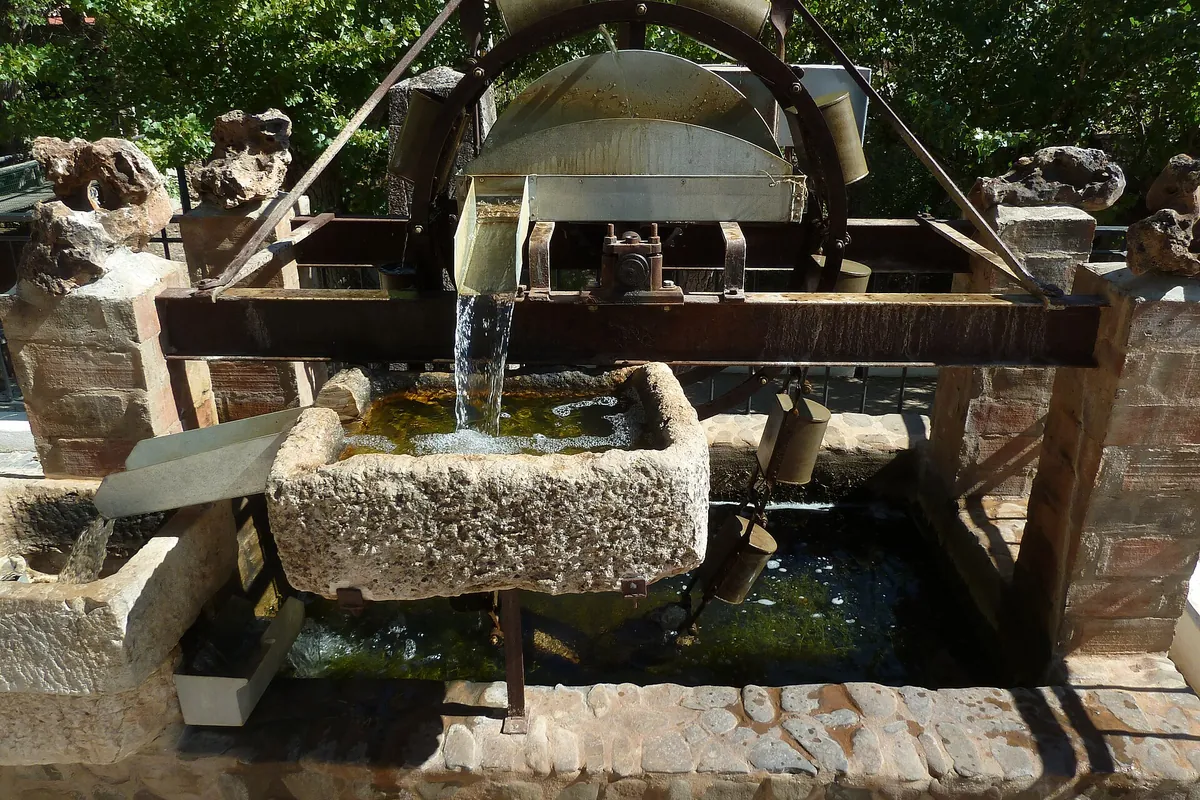
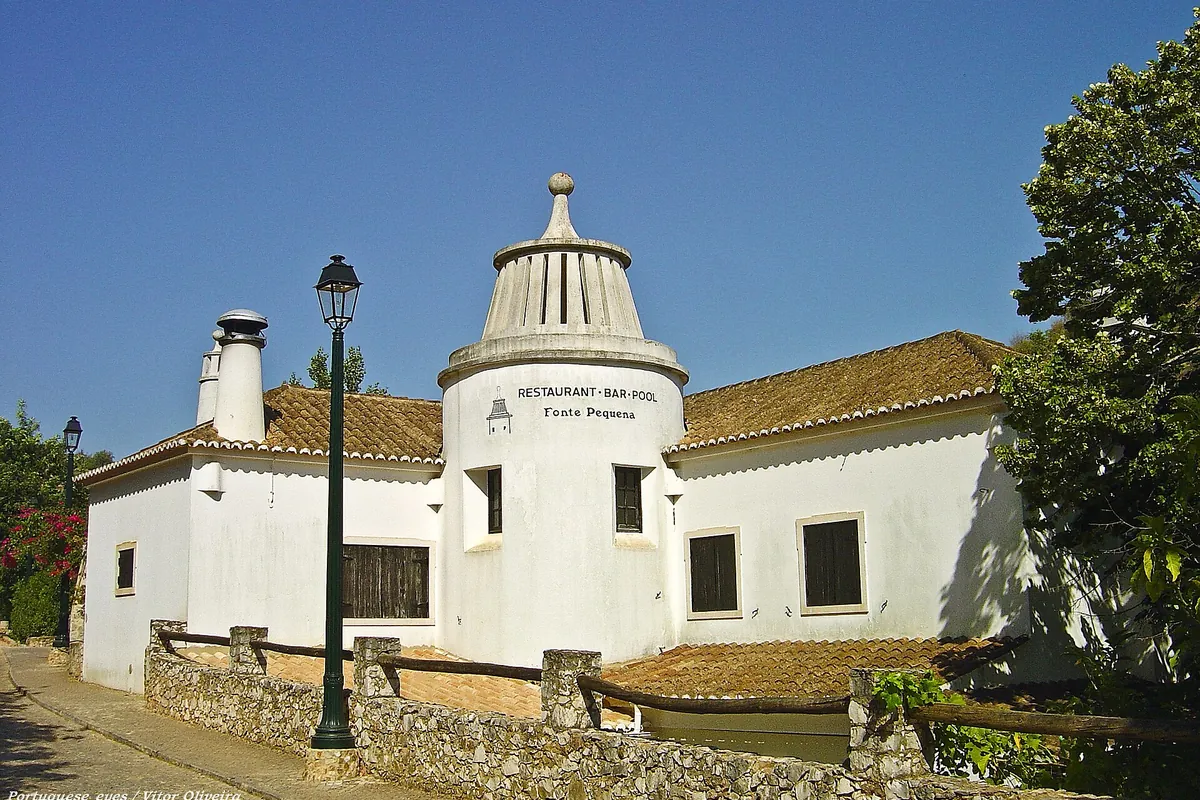
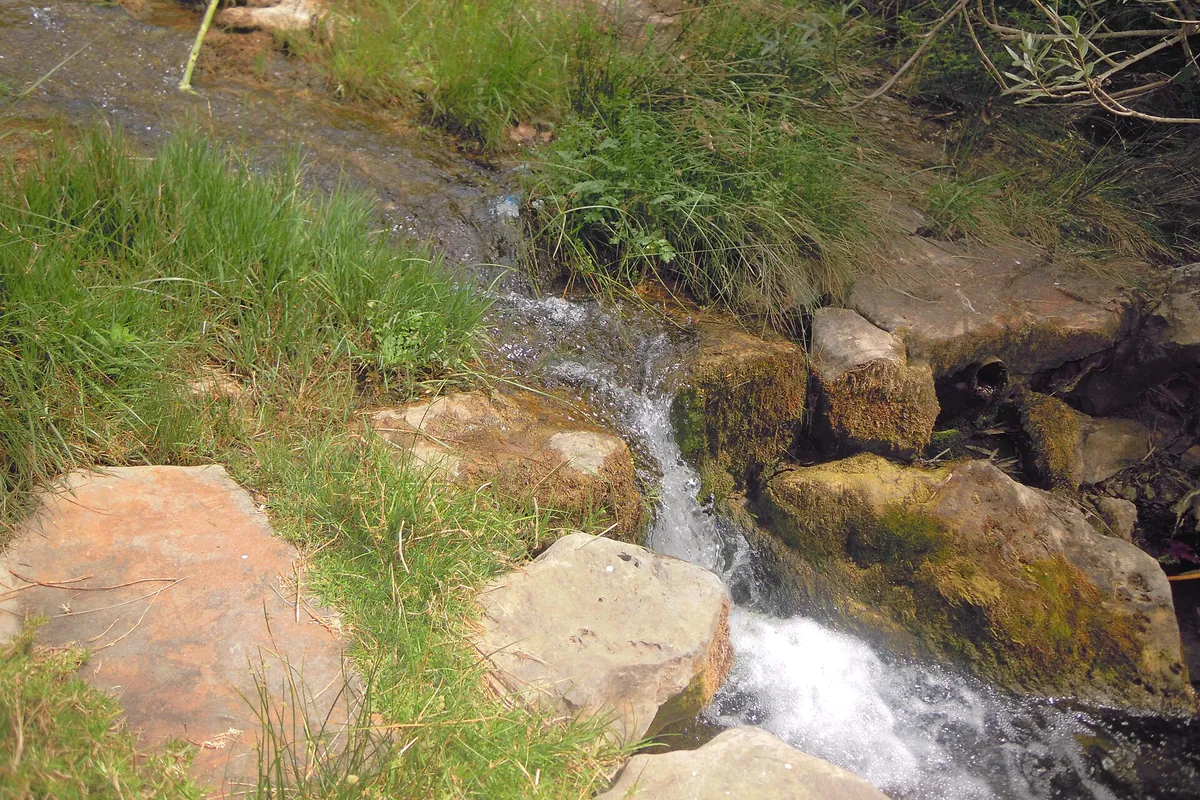
Wikimedia Commons pictures of a Portuguese guitar, Alte’s springs and its poet, a famous fado voice and a Benagil beach. None shows the studio, the singer or the audience of this concert.
Guides
Longer reads
- Start here Is the Fado Violetta concert in Alte worth it? A direct verdict on a 50-minute concert for twelve in a singer’s own studio: what you get, who will love it, and who is better off spending the afternoon elsewhere. Read this guide →
- The comparison An afternoon of fado or a Benagil kayak trip: which Algarve day? One is a still, indoor hour of song in a hill village; the other is a guided paddle past sea caves. How to choose when you only have a day to spare. Read this guide →
- Background What fado means: fate, saudade and the songs you will hear The name, the mood and the history of Portuguese fado in a few clear paragraphs, so the introduction at the studio lands on ground you already know. Read this guide →
- Background The Portuguese guitar: twelve strings and the sound of fado The pear-shaped instrument that answers every fado voice, and the details worth catching when it is played a few feet from you. Read this guide →
- The place Alte village: springs, tiles and a poet in the Algarve hills What to look at in the whitewashed village where the studio stands, before or after the concert. Read this guide →
- Practical Arriving at a twelve-seat studio: parking, toilets and timing The practical points from the listing, gathered in one place, so the 50 minutes go smoothly. Read this guide →
FAQ
Eight things to settle first
Is the Fado Violetta concert in Alte worth it?
For a quiet, close hour of live fado, yes: 4.8 from 86 GetYourGuide reviews and just twelve seats. Do not expect an evening out, though. It is a 50-minute afternoon concert and nothing edible or drinkable is sold.
What is the running time?
Fifty minutes, says the listing. Your booking carries the start time, and the door expects you a quarter of an hour or so earlier.
What if I arrive late?
The listing rules out late entry. Be early, and leave slack for parking in the village.
Do I need to speak Portuguese?
Not to enjoy it. Your host talks in both English and Portuguese, and a brief talk on where fado came from opens the afternoon. The songs themselves are in Portuguese.
Is there a toilet?
None in the studio. Public toilets stand about 50 metres away, the listing says, so go there first.
Can I bring children?
Under-10s fall outside the listing’s age guidance, so leave small children out of this one.
Can I buy food, drinks or a CD there?
No food or drinks are sold. CDs and prints are for sale. A tiny glass of moscatel liqueur is part of the ticket.
Can I change my mind, and how soon should I book?
Nothing is charged for dropping the booking before the final day. With only twelve seats, the host advises booking one to three days in advance.